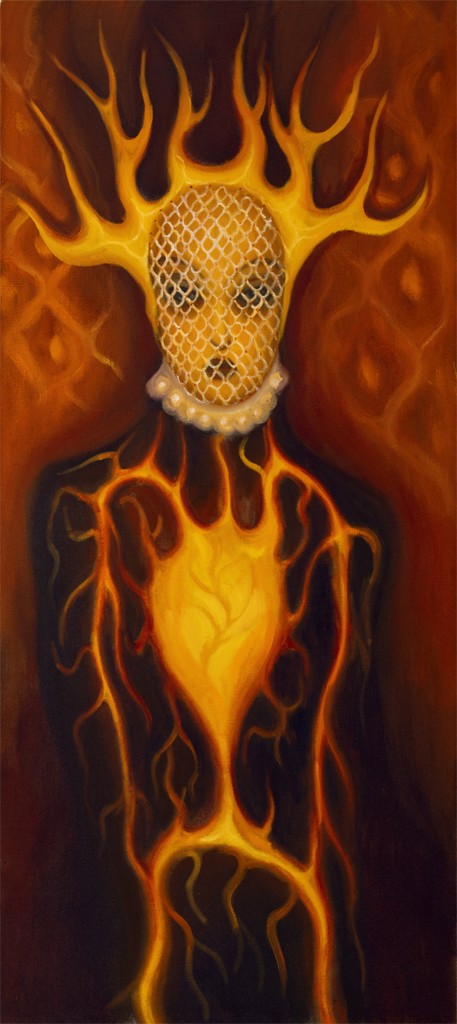
Mezi čedičovými bloky Lužických hor bývá spatřována tajemná záře a světélkování. Neklamný průvodní jev geomanticky silné lokality. Hraniční vrchy jsou na mnoha místech kultovním prostorem a spirituální dominantou, kde se v minulosti konaly pohanské magické obřady. Zalesněné kopce působí tajemným dojmem, jenž tu a tam podtrhují i pozůstatky křížové cesty. Kromě skrývané, ale přítomné energie poskytuje skalka i pěkný rozhled. Oheň měl nezastupitelné místo při různých obřadech a rituálech, symbolizoval životodárné slunce. Vždy byl uctíván jako element nezbytný pro život. Chránil před zlými silami i jako prvek očistný a léčivý. Pro svou schopnost vše strávit a zničit vzbuzoval bázeň. Říkalo se mu červený kohout. Pohled do ohně a magické působení plápolajících plamenů vzbuzuje v člověku stejné pocity i dnes. Jen si vzpomeňte, jak teplo a záře proniká hluboko do našeho nitra. Podobně jako v pradávné minulosti, kdy byl oheň jediným žhnoucím zdrojem světla v nočních temnotách. Stále zapalujeme svíčky a vzpomínáme na naše drahé zesnulé. Oheň hořel ve dne v noci a nesměl nikdy vyhasnout. Míval významnou roli, poskytoval světlo, teplo a byl prostředkem k přípravě pokrmů. Není divu, že se v pověstech Lužice objevuje i ohnivý muž. Ohňovec. Je lidského původu. Jde o duši hříšníka, který se zjevuje v podobě ohnivého sloupu, někdy hořícího sudu. Nebo plaménků mezi stromy či v mokřadech. Může člověka popálit, roztrhat, zatáhnout do propasti či utopit v bahně mokřin. Ale občas i pomůže zbloudilci zatoulanému ve skalách. Chce jediné: úctu a vděčnost. A běda tomu, kdo ji neprojeví.
Fiery Heart
A mysterious glow and twinkling lights are often seen among the basalt blocks of the Lusatian Mountains. This is an unmistakable phenomenon accompanying geomantically powerful locations. The border hills are a cult site and spiritual landmark in many places, where pagan magical rituals were held in the past. The wooded hills have a mysterious feel, which is emphasized here and there by the remains of the Way of the Cross. In addition to its hidden but present energy, the rock also offers a beautiful view. Fire had an irreplaceable place in various ceremonies and rituals, symbolizing the life-giving sun. It has always been revered as an element essential for life. It protected against evil forces and was also considered a purifying and healing element. Its ability to consume and destroy everything inspired fear. It was called the red rooster. Looking into the fire and the magical effect of the blazing flames evokes the same feelings in people today. Just think of how the warmth and glow penetrate deep into our hearts. It is similar to the ancient past, when fire was the only source of light in the darkness of night. We still light candles and remember our dear departed. The fire burned day and night and was never allowed to go out. It played an important role, providing light, heat, and a means of preparing food. It is no wonder that the fiery man also appears in the legends of Lusatia. The fireman. He is of human origin. He is the soul of a sinner who appears in the form of a pillar of fire, sometimes a burning barrel. Or flames among trees or in wetlands. He can burn a person, tear them apart, drag them into an abyss, or drown them in the mud of the wetlands. But sometimes it also helps a lost traveler wandering in the rocks. It wants only one thing: respect and gratitude. And woe to those who do not show it.